The Human Endocannabinoid System (ECS) is a complex biological network found in all mammals, playing a crucial role in regulating a range of bodily functions, such as memory, sleep, immune system responses, and more.
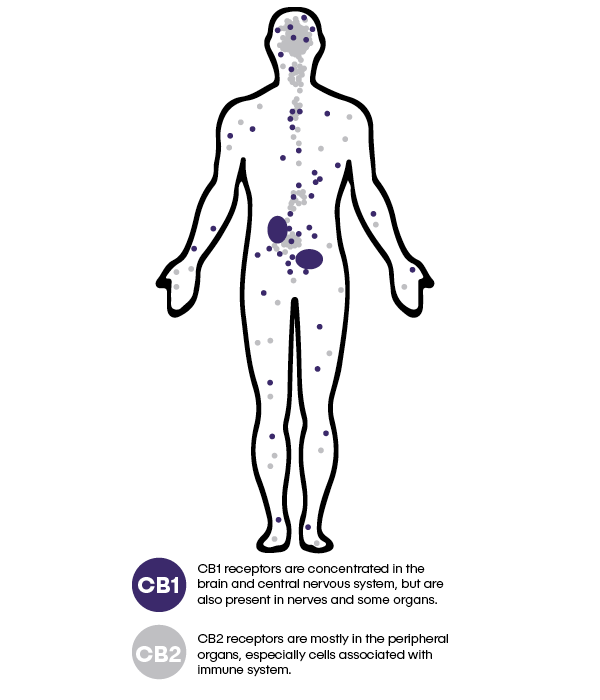
The ECS primarily consists of two main types of cannabinoid receptors, known as CB1 and CB2. These receptors are designed to interact with endocannabinoids, which are cannabinoids naturally produced by the body. They can also bind with cannabinoids from plants, leading to a variety of physiological effects throughout the body.
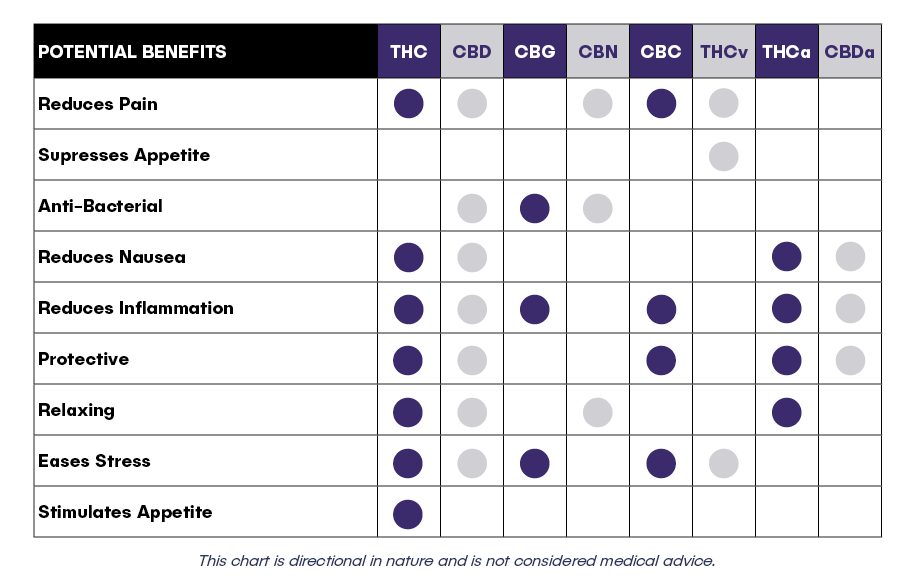
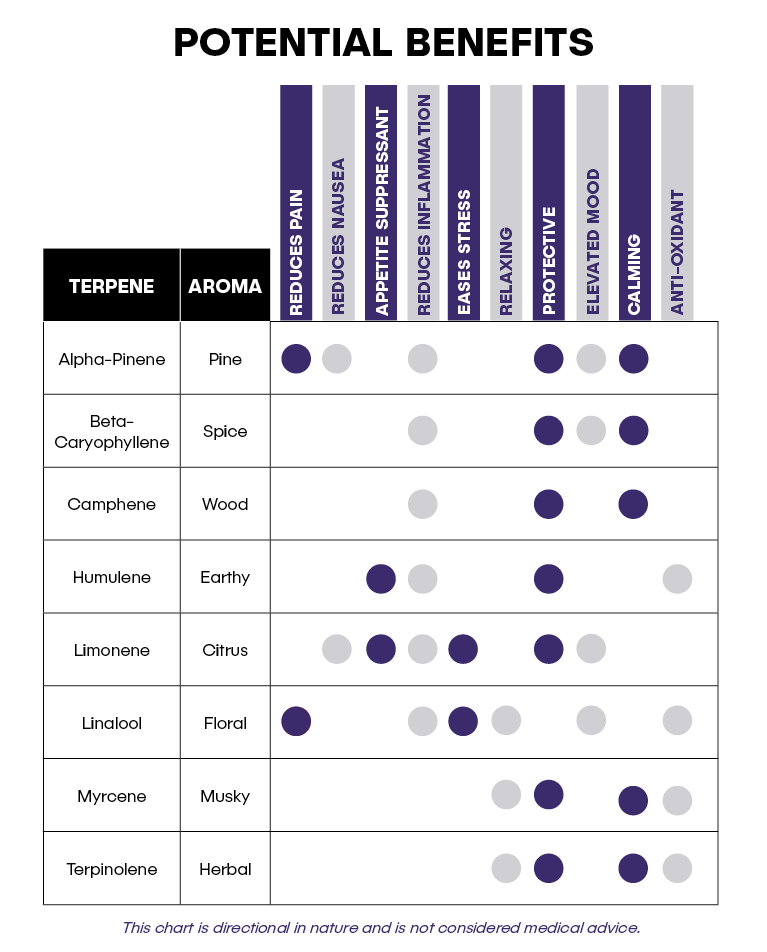
Cannabinoids have shown promise for various therapeutic applications, including antioxidant, neuroprotective, anti-inflammatory, analgesic (pain-relieving), anti-tumor, sleep-regulating, anti-psychotic, and anti-anxiety effects.
The most recognized cannabinoid, delta-9-tetrahydrocannabinol (THC), is known for creating the psychoactive effects, or “high,” associated with cannabis, influencing perception, mood, emotions, cognitive function, and motor skills. In contrast, there are many other cannabinoids, like cannabidiol (CBD), which do not produce a high but still offer significant medical benefits.